Rising 2,565 metres above sea level in Chiang Mai Province, Doi Inthanon has sheltered ancient civilisations, sacred kings, and extraordinary biodiversity for millennia. From misty Karen villages to royal chedis and cloud forests, every trail here whispers a different chapter of a remarkable story.
Long before cartographers gave it a name, the mountain the Karen people called Doi Luang — the Great Mountain — stood as a spiritual and physical landmark at the heart of northern Thailand. The Karen and Hmong hill tribes have inhabited its forested slopes for centuries, cultivating terraced gardens, practising rotational agriculture, and venerating the mountain as a living deity. Archaeological evidence from the broader Chiang Mai basin suggests human activity in the region stretching back more than 3,000 years, with highland communities developing sophisticated systems of water management fed by the peak's year-round streams and rivers.
The mountain's elevation and dense tree cover made it a natural refuge and spiritual site. Karen shamanic traditions held — and many still hold — that Doi Luang is inhabited by powerful ancestral spirits that govern rain and harvest. Early communities built their settlements along the Mae Klang and Mae Ya rivers that cascade down its flanks, rivers that remain lifelines for lowland agriculture to this day. The isolation afforded by the mountain's steep terrain preserved unique cultural practices and dialects, creating a living mosaic of highland culture that endures into the twenty-first century and draws anthropologists and travellers alike.
The mountain's modern name, Doi Inthanon, is a tribute to Inthawichayanon, the last independent ruler of the Chiang Mai principality, who reigned from 1870 to 1897. A passionate conservationist long before the term existed, King Inthawichayanon recognised that the mountain's vast teak forests were under severe threat from commercial logging interests driven by both Siamese central government expansion and British timber operations pushing in from Burma. He reportedly pleaded, in his final years, for the forest to be preserved, requesting that his ashes be interred on the summit as a symbolic guardianship that would last beyond his death.
After his death in 1897, King Inthawichayanon's ashes were indeed enshrined in a small chedi on the summit, fulfilling both a royal wish and a powerful symbolic act. The mountain was subsequently renamed in his honour — one of the few geographic features in Thailand named after a regional rather than a national monarch. This act of remembrance cemented the mountain's identity as a place of cultural reverence, not merely ecological significance. For decades the summit chedi remained a pilgrimage site for northern Thai Buddhists and members of the former Chiang Mai royal lineage, quietly holding its vigil above the clouds.
The teak industry that so alarmed King Inthawichayanon had been expanding aggressively since the 1880s, when the British-controlled Bombay Burmah Trading Corporation and other firms began extracting timber from highland forests across the region. Elephants, rivers, and ox-carts formed the arteries of an industry that stripped vast tracts of northern Thailand. Doi Inthanon's upper slopes, however, proved difficult terrain for large-scale extraction, and the dense cloud forest near the summit survived largely intact. This ecological accident of geography would prove crucial when Thailand's government finally moved to formalise protections for the mountain in the twentieth century.
Thailand's Royal Forestry Department formally gazetted Doi Inthanon as a national park on 31 August 1972, making it one of the country's earliest protected areas. The designation came amid growing alarm over nationwide deforestation and the recognition that the Ping River watershed — which Doi Inthanon feeds — was critical to the agricultural heartland of the Chiang Mai valley. The park's establishment did not come without tension; Karen and Hmong communities who had farmed the slopes for generations found their land-use rights curtailed, a conflict between conservation imperatives and indigenous livelihoods that took decades of negotiation and policy revision to partially resolve.
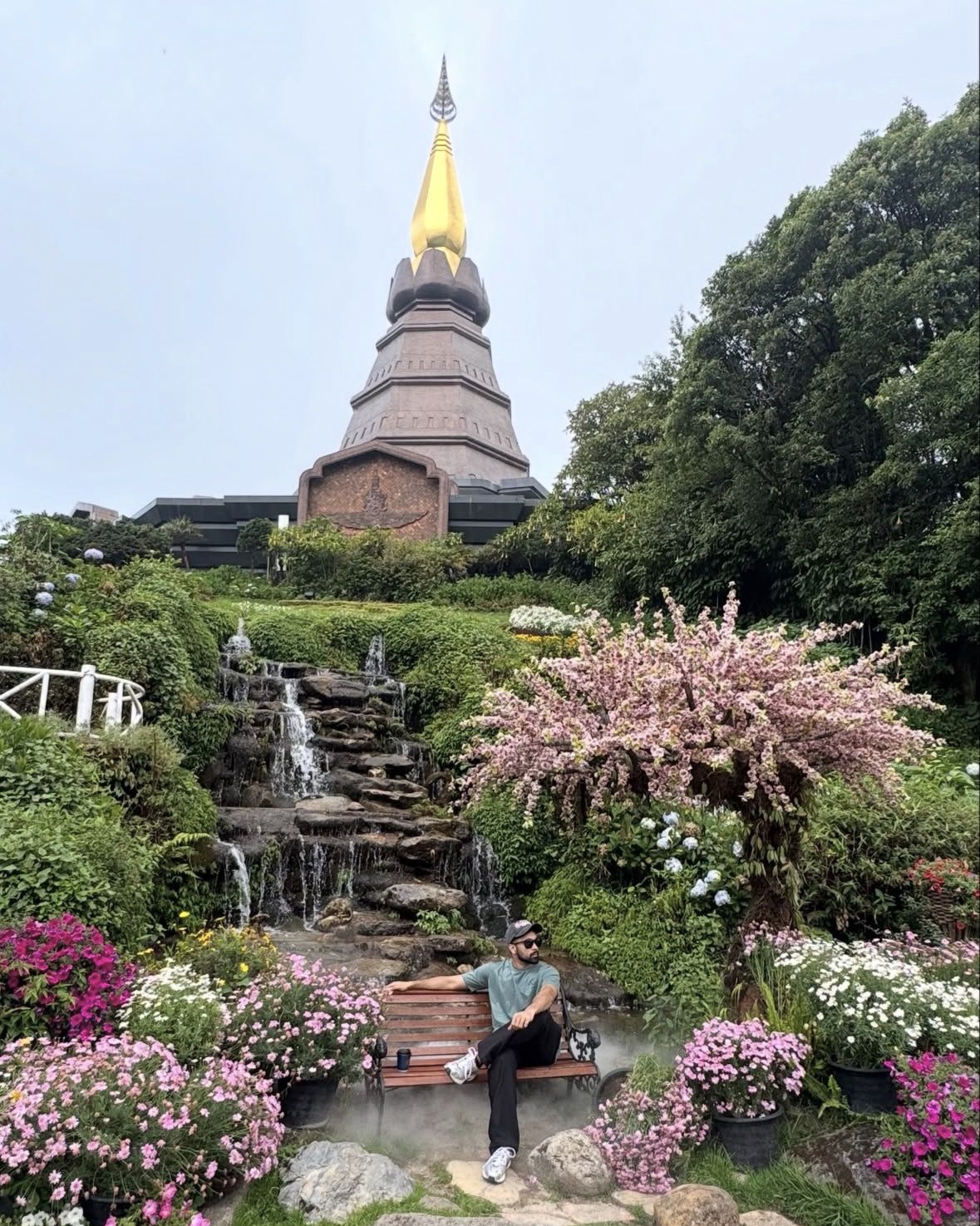
The park's international profile was dramatically elevated in 1987 when two magnificent Moorish-influenced chedis were constructed on a ridge near the summit to celebrate the sixtieth birthdays of King Bhumibol Adulyadej and Queen Sirikit. Named Naphamethinidon and Naphaphonphumisiri respectively, the twin chedis are surrounded by immaculately tended gardens filled with temperate flowering plants — alpine asters, dahlias, and cherry blossoms — rarely seen elsewhere in tropical Thailand. The gardens, maintained by the Royal Thai Army's 7th Infantry Regiment, attract hundreds of thousands of visitors annually and transformed Doi Inthanon from a specialist hiking destination into a mainstream tourism landmark.
Throughout the 1990s and 2000s, Doi Inthanon steadily built its reputation as one of Southeast Asia's finest birdwatching destinations. Ornithologists have recorded more than 400 bird species within park boundaries, including rare and endemic species such as the Green-tailed Sunbird, the Rufous-bellied Niltava, and the Doi Inthanon subspecies of the Ashy-throated Warbler. The park's elevation gradient creates distinct ecological zones — from lowland dipterocarp forest through montane oak and rhododendron woodland to the summit's distinctive gnarled cloud forest — each harbouring specialist fauna. International birding tours began making Doi Inthanon a standard fixture on northern Thailand itineraries, bringing conservation-minded visitors and vital tourism revenue.
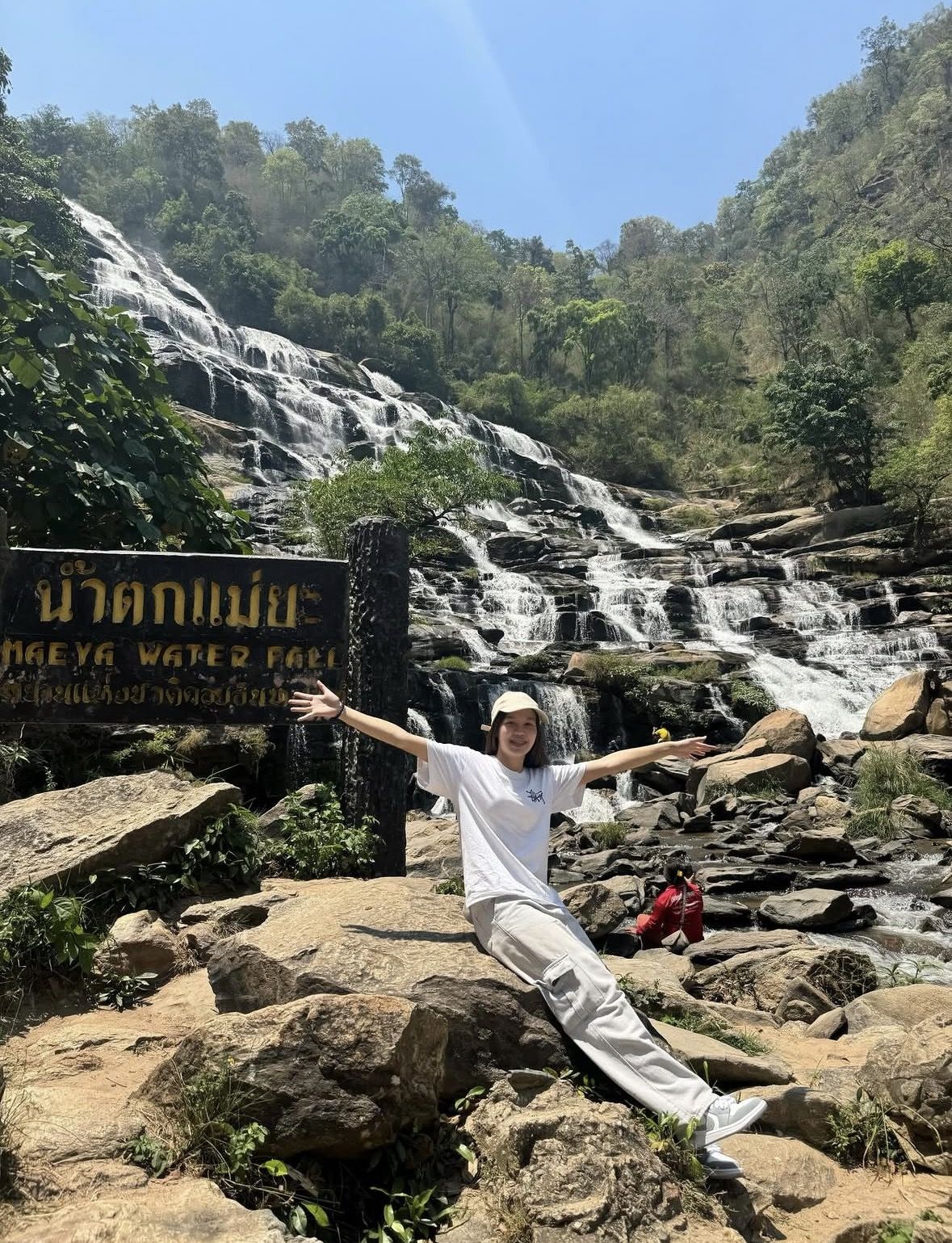
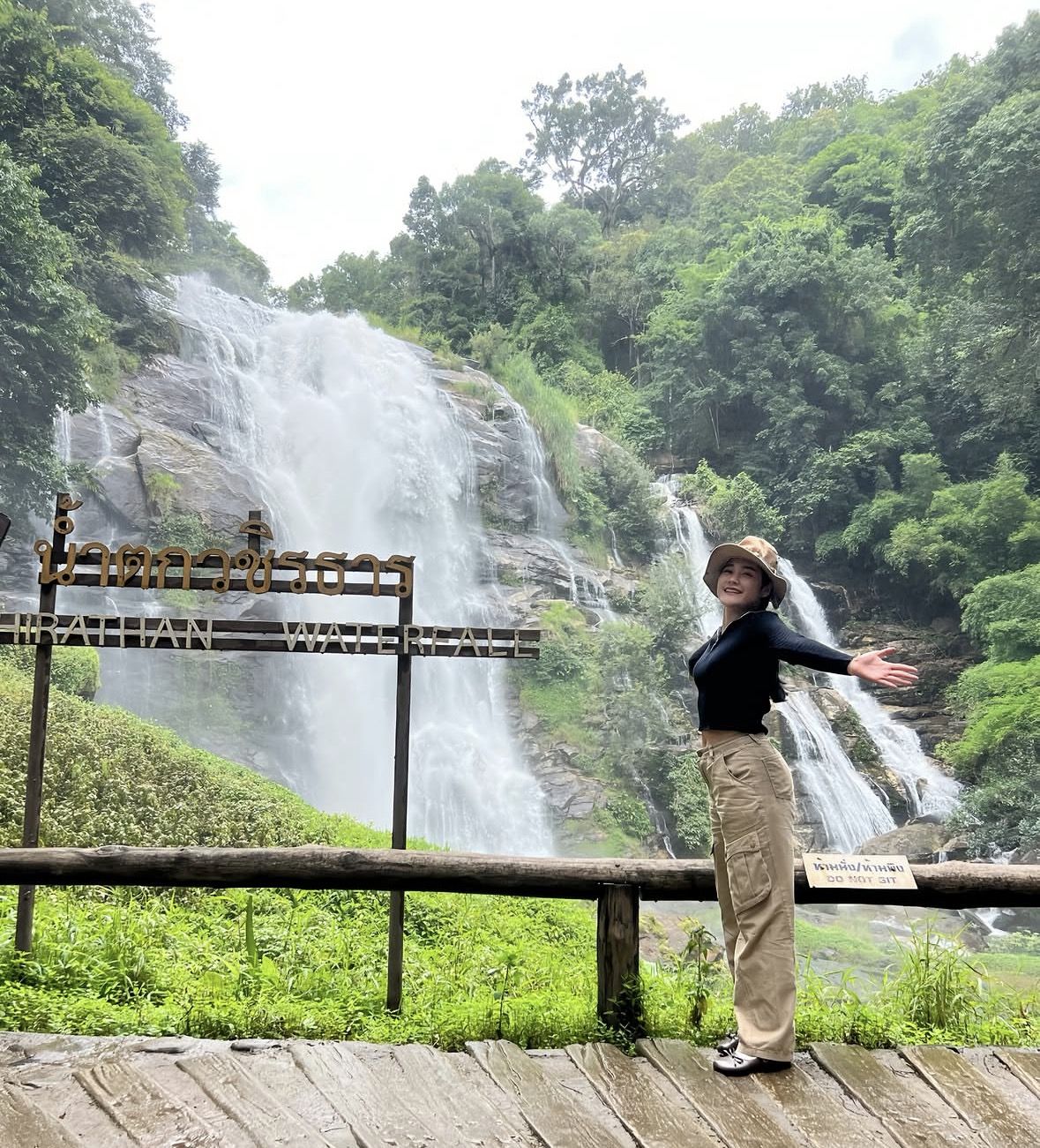
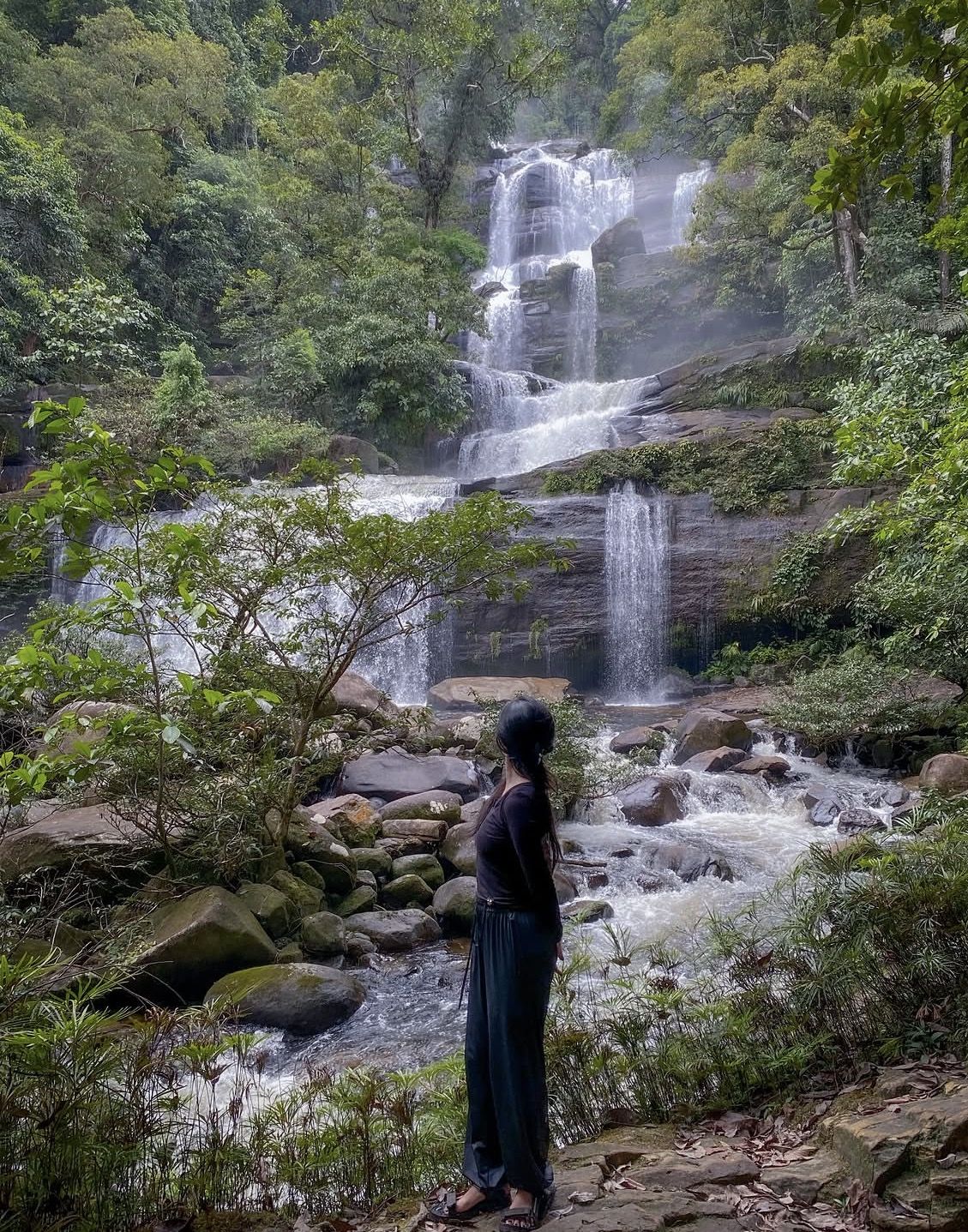
Today Doi Inthanon National Park welcomes over one million visitors per year, making it one of the most visited natural attractions in Thailand. The park infrastructure balances accessibility with conservation: a paved road winds 48 kilometres to the summit, passing a spectacular series of waterfalls including Mae Klang, Wachirathan, and Sirithan. Elevated boardwalks thread through the fragile summit bog ecosystem, protecting mossy peat bogs that act as vital carbon stores and water filters. Karen villages within the park boundaries operate community-based tourism programmes, offering homestays, handicraft workshops, and guided forest walks that provide sustainable income while maintaining cultural continuity.
Whether you come for the early-morning cool mist rolling across the royal gardens, the thunderous roar of Wachirathan waterfall in the rainy season, or the meditative quiet of standing beside King Inthawichayanon's summit chedi at 2,565 metres — Doi Inthanon rewards every type of traveller. Its layered history, from ancient Karen spirituality through royal conservation advocacy to modern ecotourism, makes it far more than a scenic viewpoint. This is a mountain with a soul, and visiting it means becoming part of a story that has been unfolding for thousands of years. Come prepared to be moved, challenged, and thoroughly enchanted.
Ready to Experience It Yourself?
Guided day tours from Chiang Mai take the guesswork out of navigating the park, ensuring you hit the waterfalls, royal chedis, and summit at the perfect time of day. Expert local guides bring the mountain's rich history and biodiversity to life in ways no guidebook can match. Browse our curated selection of Doi Inthanon tours and secure your spot — this is one highland experience you will not want to miss.
Book Your Tour Now