Rising to 2,565 metres above sea level, this misty mountain national park is Northern Thailand's most breathtaking natural escape. From thundering waterfalls to ethereal sea-of-clouds sunrises, every visit promises something unforgettable.
Featured Tour
The Doi Inthanon, Waterfall+Royal Project from Chiang Mai with Lunch is one of the most beloved day trips available from the city, and it's easy to see why. Rated 4.8 stars across 1,828 reviews, this doi inthanon national park tour takes small groups of just 4 to 9 people on a comprehensive journey through the park's greatest highlights — keeping the experience personal, unhurried, and genuinely memorable. Your professional guide handles everything from hotel pickup to drop-off, so all you need to do is show up and soak it all in.
About the Destination
Located roughly 90 km southwest of Chiang Mai city, the national park covers nearly 483 km² of dramatic highland terrain. Elevations shift quickly here, and so does the atmosphere — cool pine-scented air replaces the city heat within an hour's drive.
The park sits at the heart of the Thanon Thong Chai mountain range in Chiang Mai Province. Its topography ranges from dense tropical forest at lower elevations to rare mossy cloud-forest and bog ecosystems near the summit. Several Karen and Hmong hill-tribe villages dot the slopes, offering visitors a genuine glimpse into highland life alongside the natural wonders. Key landmarks — waterfalls, pagodas, the summit platform — are linked by a paved main road, making the park accessible even on a tight schedule.
The mountain takes its name from a revered 19th-century Karen chief, Phraya Inthawichayanon, whose ashes are enshrined in a chedi near the peak. The area was designated a national park in 1972, partly to protect the headwaters of the Ping River, one of Thailand's most vital waterways. During World War II the remote highlands sheltered resistance fighters, and ancient trading routes between lowland Chiang Mai and the Shan plateau once wound through these forests, leaving a layered human history beneath the natural beauty.
Visitors typically arrive early to catch the sunrise sea of clouds from the summit, then work their way downhill through a curated sequence of stops. The Royal Twin Pagodas — set amid manicured flower gardens — are a cultural highlight that surprises many first-timers expecting only wilderness. Roadside stalls sell fresh strawberries, avocados, and hot corn grown by hill-tribe farmers, adding a delicious local dimension to the journey. The overall experience blends nature, culture, and gastronomy in a way few single-day destinations anywhere in Southeast Asia can match.
At 2,565 metres, the summit is the tallest point in the entire country. On clear mornings a billowing sea of clouds stretches to the horizon, making it one of the most photographed natural spectacles in Southeast Asia.
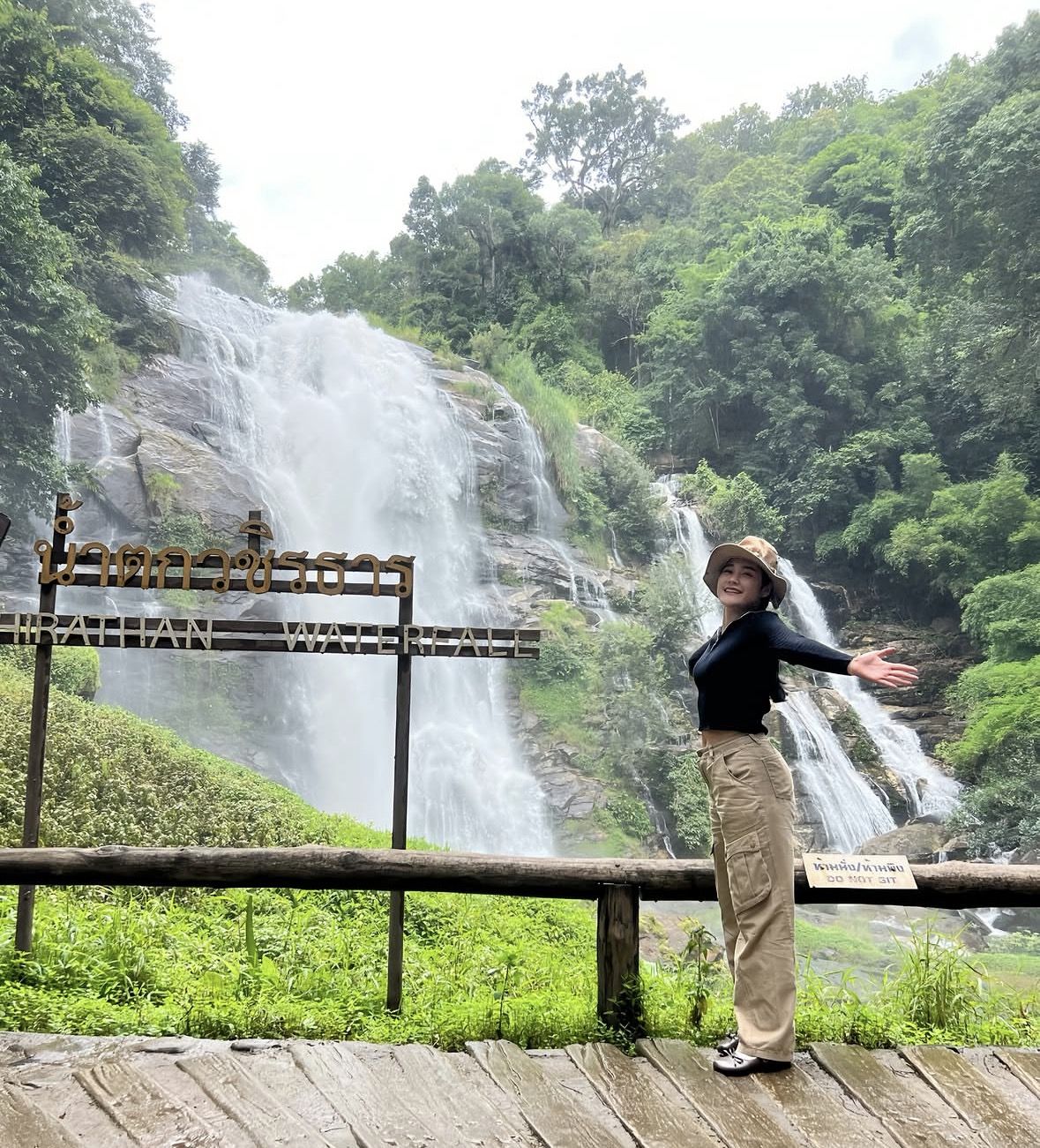
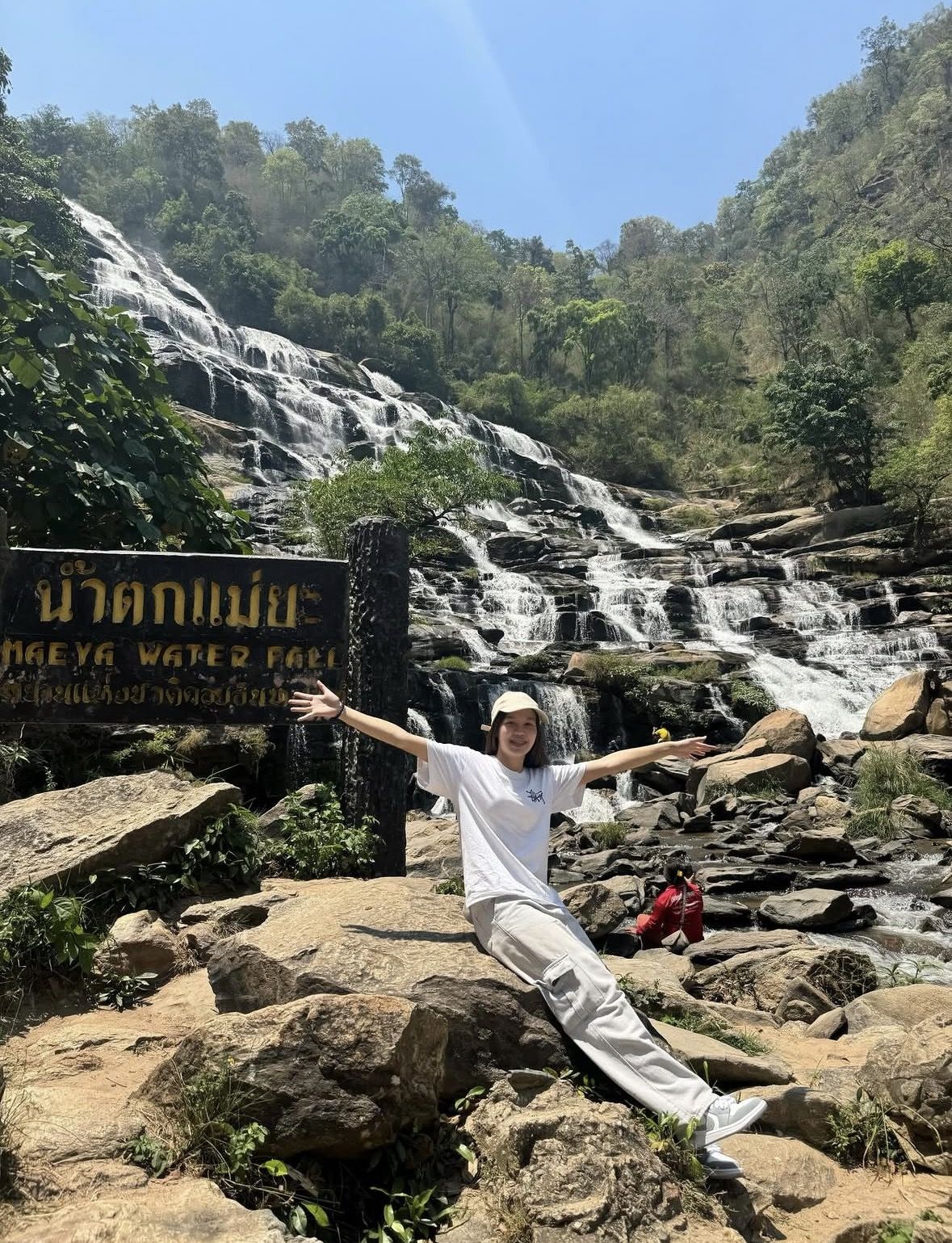
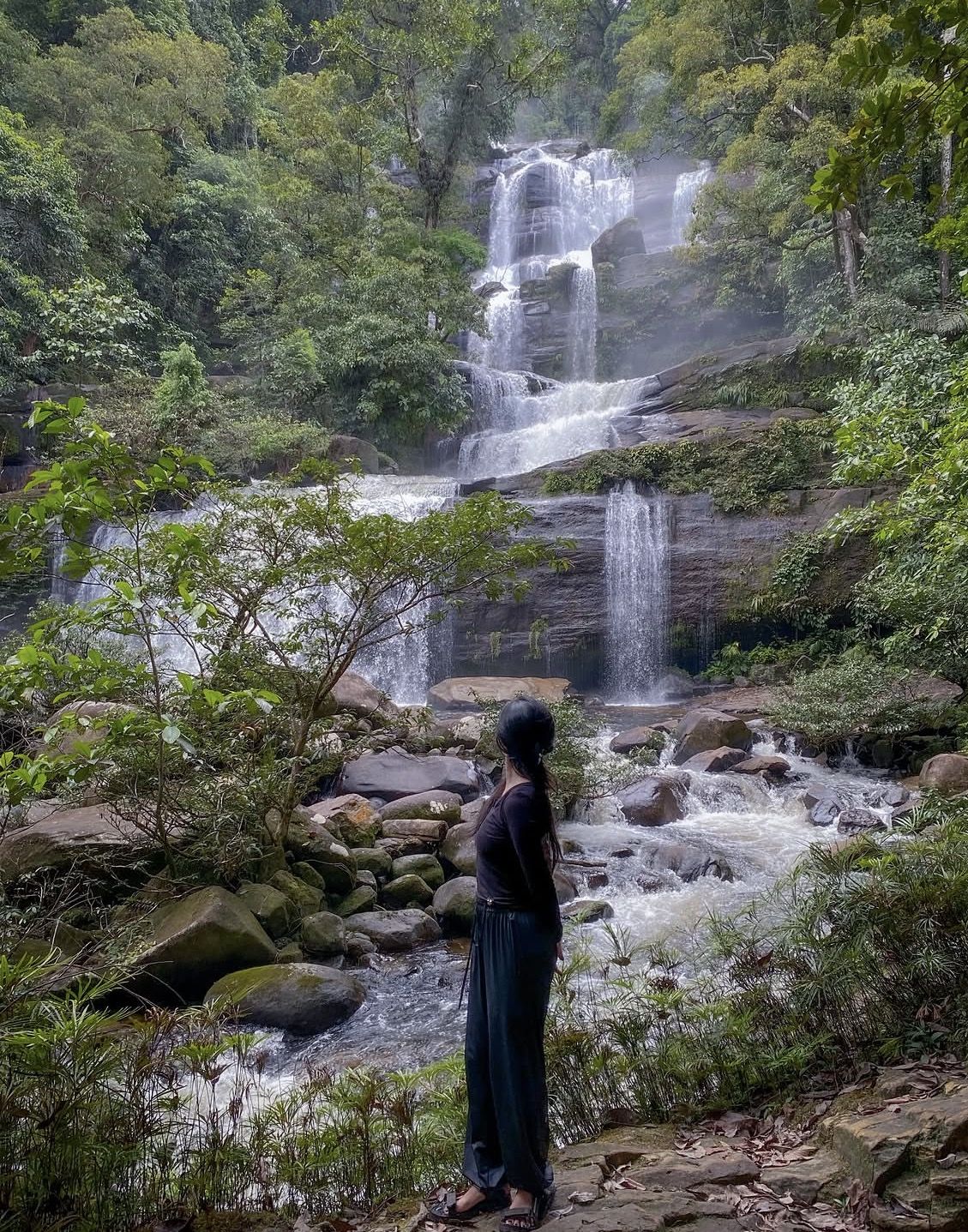
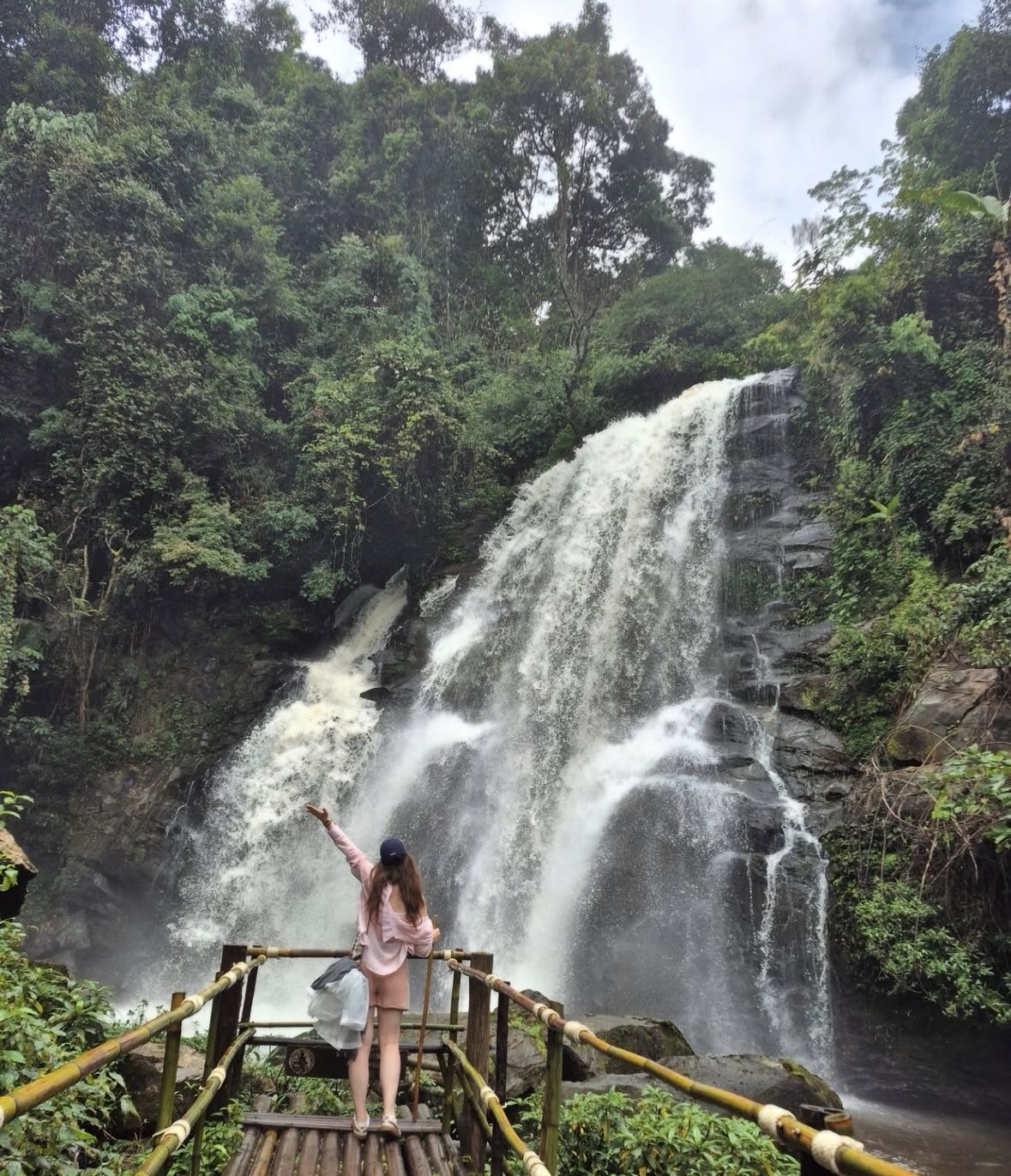
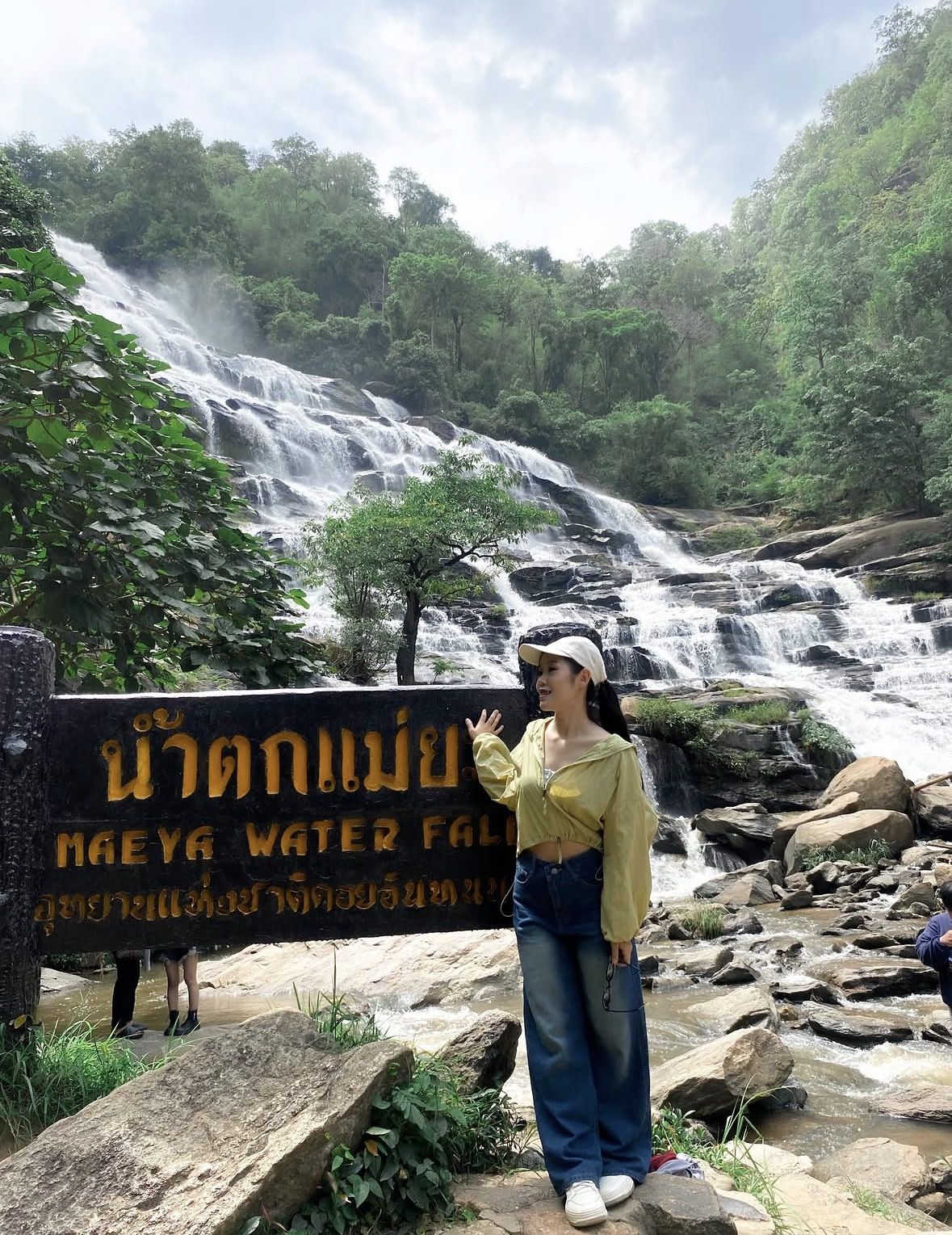
Mae Ya, Wachirathan, Mae Klang, Sirithan, Brichinda, and Huai Sai Lueang each have a distinct character — from curtain-like cascades to powerful plunges. Visiting two or three within a single day is easily achievable on a guided itinerary.
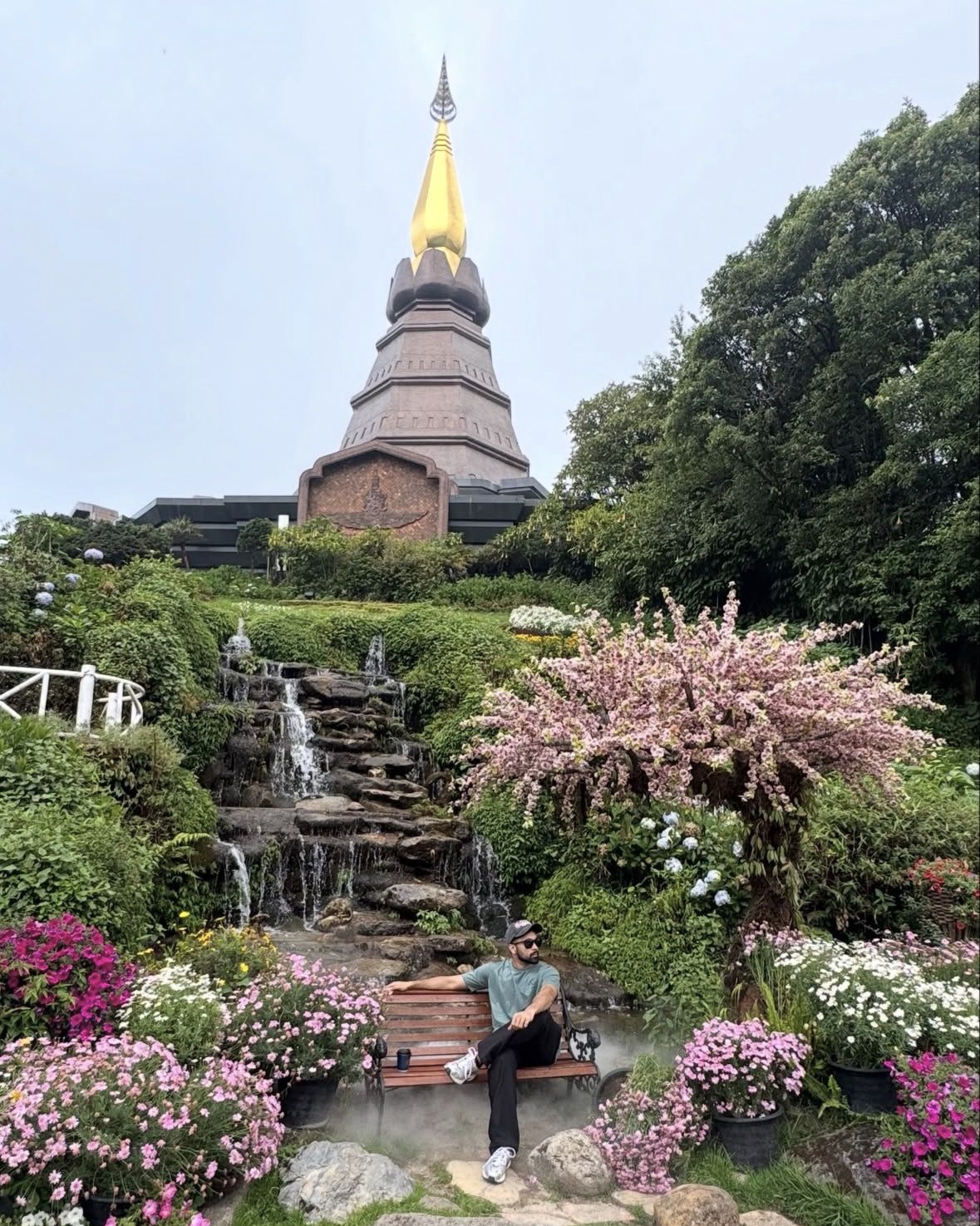
Naphamethanidon and Naphaphonphumisiri chedis were built to honour the 60th birthdays of King Bhumibol Adulyadej and Queen Sirikit. Surrounded by meticulously maintained terraced gardens, they rank among the most beautiful royal monuments in Thailand.
The park is internationally renowned as a birding hotspot, hosting species found nowhere else in Thailand. Rare finds include the Rufous-bellied Niltava, Green Cochoa, and the stunning Grandala, drawing dedicated ornithologists from around the world.
Karen and Hmong communities have farmed these highlands for centuries. Villages like Mae Klang Luang and Ban Khun Klang welcome visitors, offering homestays, handicrafts, and locally grown organic produce including strawberries and coffee.
Designated to protect the upper watersheds of the Ping and Wang rivers, the park now safeguards an extraordinary biodiversity. Its conservation status has helped preserve rare plant species including the summit's unique Sphagnum bog ecosystem.
Doi inthanon trekking routes range from easy boardwalk strolls to challenging half-day hikes through dense cloud forest. The Kew Mae Pan trail (3.2 km loop, permit required) rewards hikers with panoramic ridge views and rare orchid sightings, while Ang Ka offers an atmospheric raised boardwalk through a primeval peat-moss forest near the summit.
Arriving before dawn at the summit viewpoint gives photographers the best chance of capturing the legendary sea of clouds as first light breaks. The Royal Twin Pagodas are equally photogenic in the golden morning hour before tour buses arrive, making an early start the single best decision any visitor can make.
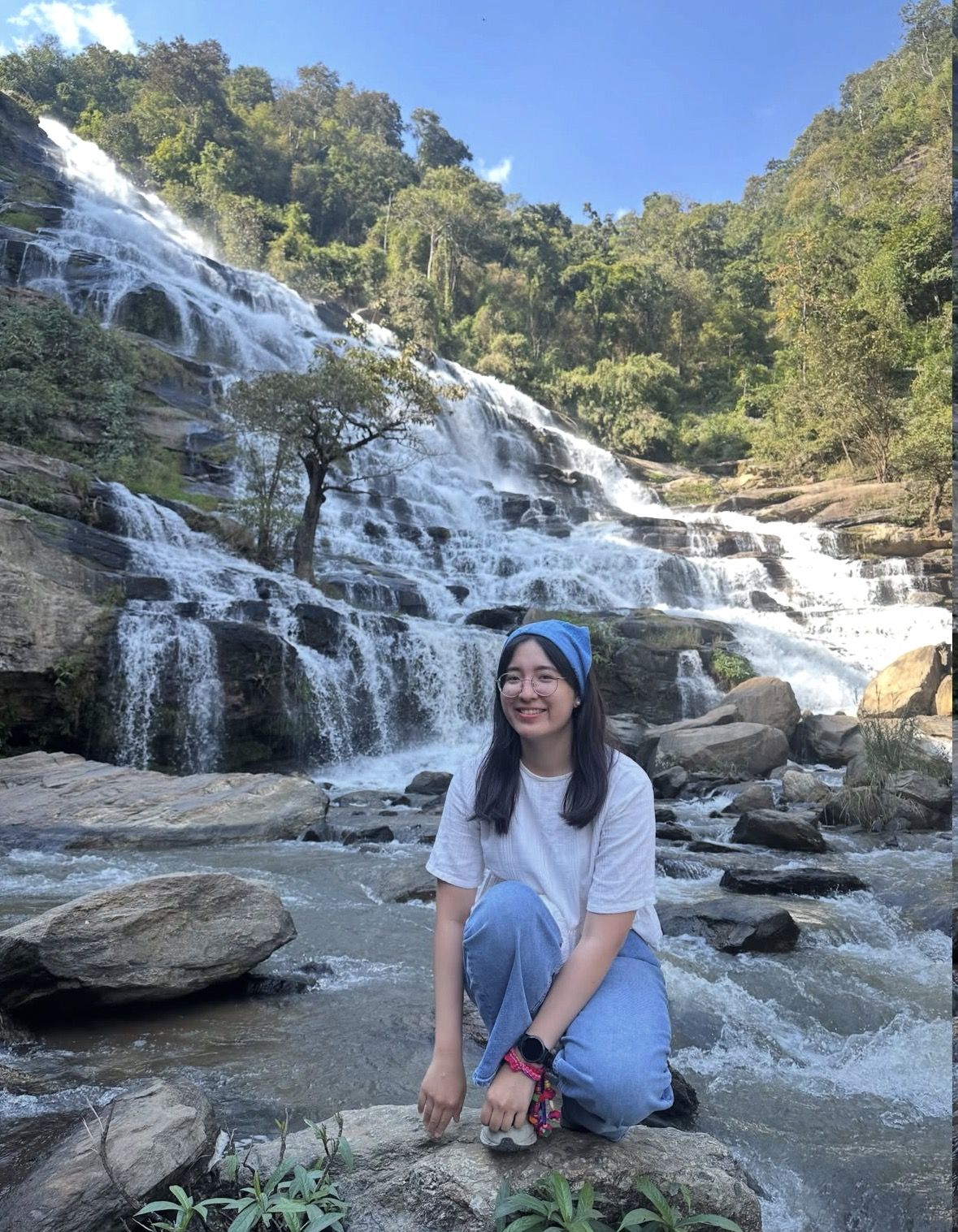
Each of the park's waterfalls has its own personality and access trail. Wachirathan is accessible and thunderous, while Mae Ya — often called the most beautiful in Thailand — rewards the short uphill walk with a 260-metre multi-tiered curtain of white water framed by jungle greenery.
Serious birders target the forest trails at dawn and dusk when activity peaks. The park authority posts updated sighting lists at the visitor centre, and specialist doi inthanon hiking guides know exactly which altitude bands host which species. A good pair of binoculars is all the extra gear needed.
The terraced gardens surrounding the twin chedis are planted with seasonal blooms — zinnias, dahlias, and chrysanthemums colour the hillside from November through February. Entry requires a modest additional fee, and visitors are asked to dress modestly as the pagodas are active places of royal veneration.
A stop at a Karen or Hmong village turns a nature outing into a genuine cultural exchange. Sample freshly roasted arabica coffee grown at altitude, pick your own strawberries in season, and browse handwoven textiles at prices that directly support local artisan families.
Weighing your highland adventure options across Northern Thailand and beyond.
Travellers drawn to highland landscapes, waterfalls, and cooler temperatures in Southeast Asia often find themselves choosing between several compelling options. Doi Inthanon sits at one end of the spectrum — a single-day accessible escape with remarkable diversity — but destinations like Doi Suthep, Khao Yai National Park, and Myanmar's Inle Lake region each appeal to overlapping interests. This table cuts through the research time, comparing the four on the criteria that matter most to most visitors.
| Crowds | Price | Best For | What Sets It Apart | |
|---|---|---|---|---|
| ★ Doi Inthanon | Moderate (heavy on weekends) | Budget–Mid (200 THB entry) | Nature, waterfalls, cultural mix | Thailand's highest summit + royal pagodas in one day |
| Doi Suthep | Very high (30 min from city) | Budget (50 THB cable car extra) | Temple pilgrims, city-view seekers | Iconic hilltop temple, closest highland escape from Chiang Mai |
| Khao Yai National Park | Moderate–High (weekends busy) | Mid (400 THB entry) | Wildlife safaris, birdwatching, wine region nearby | UNESCO heritage site with elephants and gibbons |
| Inle Lake Region (Myanmar) | Low (post-2021 tourism drop) | Mid–High (flights required) | Cultural immersion, floating gardens | Unique lake-culture experience; requires more planning and travel time |
Each destination has genuine merit, but few highland escapes pack as much variety into a single accessible day as this one. The combination of Thailand's rooftop summit, royal architecture, legendary waterfalls, and living hill-tribe culture makes Doi Inthanon uniquely rewarding whether you have six hours or a full weekend to spare.
Travel Guide
Everything you need to plan a smooth, memorable visit — transport, timing, gear, and local know-how all in one place.
The most convenient starting point is Chiang Mai, 90 km to the northeast. A doi inthanon day trip from Chiang Mai typically departs between 6:00 and 7:00 am to catch the sunrise. Shared minivans, private car hire, and organised tours all depart from the city's old town area and Nimman district. No direct bus service runs to the summit, so independent travellers usually rent a car or motorbike from Chiang Mai — though the mountain roads demand confident riding skills.
Inside the park, a single paved road climbs from the main gate at Km 0 to the summit area at around Km 48. Visitors with their own vehicle can stop freely at any trailhead or waterfall along the way. Those on group tours follow a fixed itinerary, while a doi inthanon private tour grants full flexibility to linger at Mae Ya Waterfall or arrive at the pagodas before the crowds. Motorcycle taxis and songthaews serve the lower park sections but do not reach the summit.
The cool dry season from November through February is overwhelmingly the best time to visit. Temperatures at the summit hover between 6°C and 15°C, skies are clearest, and the sea-of-clouds phenomenon is most reliable at dawn. This is also peak strawberry and flower season in the hill-tribe villages. December and January are the coldest months — genuinely cold by Thai standards — and the park draws its largest crowds on Thai public holidays during this window.
The rainy season (June–October) brings the waterfalls to full, dramatic power but can make trekking trails slippery and unpredictable. Afternoon cloud cover is almost guaranteed, obscuring summit views. March through May is the hot season, when haze from agricultural burning sometimes reduces visibility significantly at lower elevations. Mid-week visits in any season reduce crowd pressure substantially, and arriving before 8:00 am consistently produces the best experience regardless of the month.
The biggest packing mistake visitors make is underestimating the cold. Even during Thailand's hot season the summit sits well below lowland temperatures, and misty conditions add a wind-chill factor. A medium-weight fleece or insulated jacket is the single most important item to bring. Layers work better than one heavy coat since temperatures shift significantly as you descend from 2,500 m to the lower waterfalls at around 800 m elevation. Sunscreen remains essential even on overcast days at altitude.
Footwear is the second critical consideration. Paved roads make the main stops accessible in trainers, but doi inthanon hiking trails like Kew Mae Pan involve uneven roots and occasional mud. A sturdy pair of trail shoes or lightweight hiking boots covers all scenarios. Trekking poles are optional but appreciated on steeper sections. A small daypack with a waterproof liner keeps cameras and spare clothes dry during sudden afternoon showers, which occur year-round at higher elevations.
Dress modestly when visiting the Royal Twin Pagodas — covered shoulders and knees are required as these are sacred royal monuments, not merely tourist attractions. Remove shoes before entering any temple or chedi area and speak quietly. When passing through hill-tribe villages, always ask permission before photographing residents, especially children. A small purchase from village stalls — fruit, coffee, a woven bracelet — is a genuinely impactful way to support local families whose income depends heavily on visitor spending.
The national park entry fee is 300 THB for foreign adults (200 THB for children) payable at the main gate — cash is easiest as card machines can be unreliable. Additional fees apply for the Kew Mae Pan trail (200 THB; guide compulsory). Roadside stalls accept cash only, so carry small bills. Strawberries, avocados, macadamia nuts, and highland coffee make excellent locally produced souvenirs. Mobile signal is patchy above Km 30 — download offline maps before departing Chiang Mai.
Altitude-related discomfort is rare at 2,565 m but not impossible, particularly for visitors who ascend quickly from sea level. Mild headaches and slight breathlessness can occur; slow down, hydrate well, and descend if symptoms worsen. No vaccinations are specifically required for the park, but travellers to Thailand generally benefit from up-to-date hepatitis A, typhoid, and tetanus coverage. Consult a travel clinic at least four weeks before departure, especially if you plan to spend time in rural hill-tribe villages.
Trail safety depends heavily on conditions. Wet season trails can become dangerously slippery — turn back rather than push on if mud becomes unmanageable. Wildlife encounters are rare but possible; leeches appear on forest floors after rain, and occasional sightings of wild boar have been reported. There is a small clinic at the national park visitor centre near the entrance gate, and the nearest full hospital is in Chom Thong town. Emergency services can be reached via the park headquarters: +66 53 286 728.
Explore More
Pair your highland adventure with these rewarding stops just outside the park boundaries and along the Chiang Mai road.

The Doi Inthanon National Park, Waterfall & Royal Project Day Tour From Chiang Mai takes you deep into one of northern Thailand's most treasured landscapes.
Check this tour →
The Doi Inthanon National Park Eco-Friendly Full Day Tour takes you deep into one of northern Thailand's most breathtaking natural landscapes.
Check this tour →
The Doi Inthanon National Park with Nature Trail Trekking 1-Day Tour takes you from the vibrant streets of Chiang Mai to the misty summit of Thailand's tallest mountain — all in…
Check this tour →
The Doi Inthanon National Park + 2Hour Fantastic Trekking with Lunch is your gateway to one of northern Thailand's most spectacular natural environments.
Check this tour →
The Doi Inthanon National Park Private Tour – Full Day is the definitive way to experience Thailand's tallest mountain without the crowds.
Check this tour →
The Chiang Mai - Doi Inthanon Full day Tour is your gateway to one of Northern Thailand's most breathtaking landscapes.
Check this tour →
The 3-in-1: Doi Inthanon Tour, Elephant Sanctuary, and Trekking Trail is the ultimate way to discover northern Thailand in a single action-packed day.
Check this tour →
The Doi Inthanon, Waterfall+Royal Project from Chiang Mai with Lunch is one of the most beloved day trips available from the city, and it's easy to see why.
Check this tour →
The Doi Inthanon Private Tour with Trek & Lunch from Chiang Mai is your gateway to one of northern Thailand's most spectacular natural experiences.
Check this tour →
The Mount Doi Inthanon National Park Sunrise and Hiking tour is the complete Thai highland experience packed into a single day.
Check this tour →Traveler Reviews
Discover what travelers are saying about their unforgettable Doi Inthanon experiences.
"Booking a private tour was hands down the best decision we made for this trip. Our guide picked us up from Chiang Mai early in the morning and we arrived before the crowds, which made the Royal Twin Pagodas feel truly magical. The Kew Mae Pan nature trail was breathtaking — misty, lush, and so peaceful. I can't recommend this experience highly enough to anyone visiting northern Thailand."
"We did the day trip from Chiang Mai and honestly it exceeded every expectation. The waterfalls — especially Mae Ya — were absolutely stunning, and our guide explained the local hill tribe culture in a way that felt respectful and genuinely informative. The summit was cold and misty, which only added to the atmosphere. A truly world-class natural destination that deserves a full day, not just a quick stop."
"A fantastic place to visit, though I'd strongly advise going with a knowledgeable guide rather than self-driving, especially if it's your first time. We joined a small group tour and visited three waterfalls, the pagodas, and a Karen village all in one day. The only reason I'm giving four stars is that some of the trails were slippery after recent rain, so pack proper footwear. Overall a memorable and well-organized adventure."
"The trekking here is some of the best I've experienced in Southeast Asia. We hiked the Ang Ka Nature Trail through cloud forest so dense it felt like another world entirely. Our guide pointed out rare orchids and explained the unique ecosystem at this elevation. If you're a nature lover or birdwatcher, this destination absolutely needs to be on your bucket list."
"We opted for a private tour and it was worth every baht. Having a dedicated driver and guide meant we could linger longer at spots that moved us — particularly the sea of clouds viewpoint just after sunrise. The guide also took us to a local café in Mae Klang Luang village where we had the most amazing strawberry jam and coffee grown on the mountain itself. An incredibly special day from start to finish."
"A wonderful full-day excursion that covers so much ground if you plan it right. The Wachirathan Waterfall was roaring when we visited and the spray was refreshing. I'd recommend starting as early as possible — we arrived mid-morning and the pagoda area was already getting busy. Four stars because parking near some attractions can be a bit chaotic on weekends, but the scenery and cultural richness more than make up for it."
"The hiking trails here genuinely surprised me with their variety and beauty. We covered the Pha Dok Siew trail, which led us through stunning forest to a viewpoint I'll never forget. Our guide was incredibly knowledgeable about the local flora and kept the pace comfortable for everyone in our group. This is the kind of place that makes you understand why Thailand's national parks are treasured."
"Coming from Chiang Mai, the drive up the winding mountain road is already an experience in itself — beautiful and exciting. We visited in late November when the wildflowers were blooming and the sky was crystal clear, making the summit views absolutely jaw-dropping. Our guide was warm, funny, and incredibly well-informed about both the ecology and the history of the area. Don't hesitate — book your tour and go."
Watch Before You Go
See the waterfalls, sunrise clouds, and royal pagodas in stunning motion before you go.
Location
Doi Inthanon National Park is located on Route 1009, approximately 90 km southwest of Chiang Mai city centre, Chiang Mai Province, Northern Thailand — GPS coordinates 18.5887° N, 98.4868° E.
FAQ
Everything you need to know before planning your visit to Thailand's highest peak.
Ready to stand on the rooftop of Thailand?
Book Your Tour NowDiscover More
Long before it became a national park, this sacred peak was the domain of Karen highland chiefs and a vital watershed for the civilisations of the Ping River valley below. The mountain's modern name immortalises Phraya Inthawichayanon, the last ruler of Chiang Mai's semi-independent northern kingdom, whose dying wish was to have his ashes interred at the summit so his spirit could protect the forests forever.